




01. Optical rhythm is not a mirror image
Across Egypt, Saudi Arabia, and the UAE, more than 78% of mobile commerce traffic interacts with bilingual products. Yet most software teams treat Arabic as a late-stage localization ticket: they design in English with tight negative letter-spacing, small uppercase eyebrows, and 1.1 line-height, then flip the DOM direction two weeks before launch.
The result looks immediately foreign to native Arabic readers. Arabic script connects cursively along a baseline with taller ascenders and deeper descenders (`ك`, `ل`, `ي`, `ح`). Applying negative letter-spacing (`letter-spacing: -0.04em`) fractures ligatures in Chromium and WebKit, while cramped line-heights clip vowel marks and diacritics.
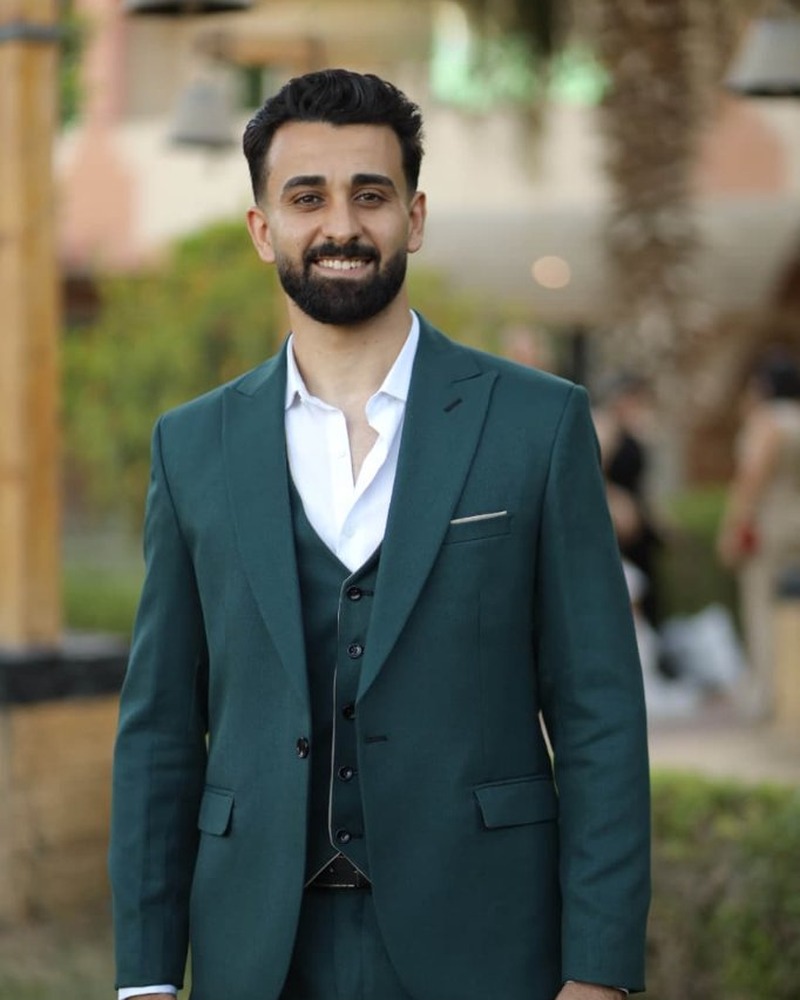
“When an Arabic checkout screen feels like a translated foreign template, user trust drops at the exact moment you ask for a credit card or national ID.” — Bishoy Magdy, Chief Design Officer at Empetix
02. One stylesheet using 100% CSS Logical Properties
At Empetix, we never maintain a separate `rtl.css` override file. Maintaining two stylesheets guarantees visual drift within three sprints. Instead, our design token layer in `variables.css` and every component rule use native CSS Logical Properties:
- Inline flow instead of left/right: `margin-inline`, `padding-inline-start`, `inset-inline-end`, and `border-inline-start` automatically flip when `dir="rtl"` is toggled on `<html>`.
- Direction-scoped typography tokens: Under `[dir="rtl"]`, `--tracking-display` and `--tracking-caps` reset to `0`, while line-height expands by 12% to give Arabic script room to breathe.
- Tabular numerals (`tabular-nums`): Pricing tables, OTP codes, and IBAN fields retain consistent numeral alignment across both directions.
03. Watch the live engineering & CRO walkthrough
In the 6-minute studio recording below, Bishoy Magdy and Principal Engineer Youssef Nabil walk through the actual Figma tokens, CSS logical grid, and checkout heatmap telemetry from our NilePay and Dar Ceramics launches:

04. Studio photo gallery (Click any photo to zoom)
Photographs from our Cairo studio wall critique and usability testing sessions across Arabic and English mobile viewports:
05. What happened to conversion rates after launch
Across four ecommerce and FinTech platforms where we replaced auto-translated RTL stylesheets with our native Arabic-first component architecture and micro-copy:
- +38.4% mobile checkout completion among Arabic-language sessions in Egypt and Saudi Arabia.
- -29% form validation errors on phone number, address, and payment card inputs by keeping numeric inputs LTR-isolated inside RTL forms.
- Zero duplicate CSS maintenance for the client’s internal engineering team post-handover.